
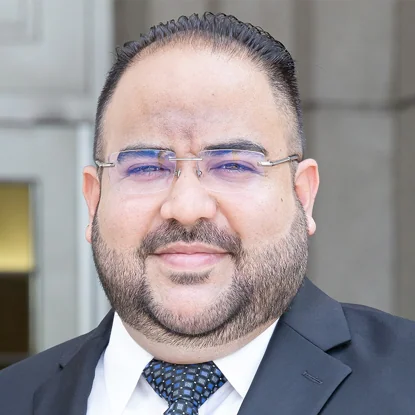
Founding Attorney
Florida criminal law requires courts to impose minimum sentences in certain cases. The legislature has imposed minimum mandatory sentences for serious crimes or repeat violent offenders to ensure that offenders who commit the worst crimes serve significant time and to deter others from committing dangerous or violent crimes. Being charged with a crime that carries a mandatory minimum can significantly affect your case strategy and your options for addressing your charges. You need experienced legal counsel to advise and advocate for you and help you navigate this harsh and unforgiving system.
What Are Minimum Mandatory Sentences?
When a criminal statute imposes a minimum mandatory sentence for a defendant’s case, the sentencing judge cannot impose a shorter incarceration term than the one prescribed by law. A convicted defendant must serve the entire minimum mandatory sentence before they become eligible for release. This is in contrast to other charges, where judges might have the option to be lenient or where convicts might be eligible for parole long before the full term of their sentence.
Crimes in Florida That Have Minimum Mandatory Sentences
Certain offenses under Florida criminal law carry minimum mandatory sentences. For example, drug trafficking offenses carry minimum mandatory sentences when a defendant’s case involves at least a certain quantity of drugs, with the threshold for minimum mandatory sentences varying depending on the type of drug involved.
Florida also has a “10-20-Life” law that imposes minimum mandatory sentences in certain cases involving firearms. When a person commits an offense from the statutory list while possessing a firearm, the court must impose a sentence of at least ten years in prison. The list includes:
- Murder
- Sexual battery
- Robbery
- Arson
- Kidnapping
- Aggravated child abuse
- Aggravated stalking
- Drug trafficking
- Human trafficking
However, if the person discharged the firearm during the offense, the minimum mandatory sentence increases to 20 years, and if the person severely injured or killed another individual by discharging the firearm, the minimum mandatory sentence increases to 25 years with a maximum sentence of life imprisonment.
Florida law also imposes minimum mandatory sentences for certain repeat offenders. For example, defendants who qualify as a three-time violent felony offender will face a minimum sentence of five years for a third-degree felony, 15 years for a second-degree felony, or 30 years for a first-degree felony. Defendants who qualify as violent career criminals may face minimum mandatory sentences of ten years for a third-degree felony, 30 years for a second-degree felony, or life imprisonment for a first-degree felony.
How Minimum Mandatory Sentences Affect Criminal Cases in Florida
Applicable minimum mandatory sentences can substantially affect criminal cases. First, minimum mandatories reduce a judge’s sentencing discretion, as a judge cannot impose a term below the minimum mandatory even if the mitigating factors in a defendant’s case would convince the judge to impose a lower sentence. Second, minimum mandatories can provide prosecutors with substantial leverage during plea negotiations, as they can offer to reduce or dismiss charges that trigger minimum mandatories in exchange for a defendant’s guilty plea to other offenses. Finally, a minimum mandatory sentence can have long-term consequences for an offender, as they must spend a long time in prison, even potentially for a first-time offense.
Contact Our Criminal Defense Firm Today
If you’ve been charged with a serious criminal offense in Florida or if you already have a lengthy criminal record, you might face the possibility of a minimum mandatory sentence on conviction. Minimum mandatory sentences can have a considerable effect on your legal strategy for your defense, which is why it’s essential that you have experienced legal counsel who can help you understand what you’re up against and the options available to you. Contact the Law Offices of Jose E. Lopez, P.A. today for a free, confidential consultation with a knowledgeable criminal defense attorney in Orlando, FL, and let’s discuss your next steps together.