
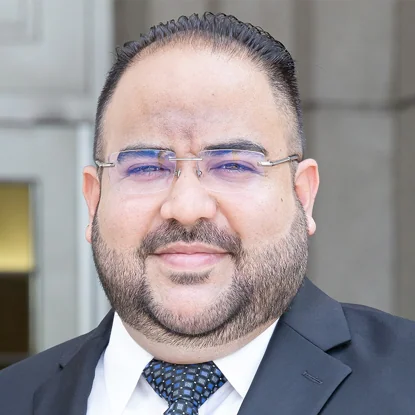
Founding Attorney
Talking to a criminal defense attorney can feel uncomfortable, especially when the facts aren’t flattering to your case. The good news is that Florida law protects most of what you tell your lawyer, and full honesty gives your defense the strongest footing right away.
Attorney-Client Privilege
Attorney-client privilege means your lawyer generally can’t be forced to reveal what you tell them in confidence while seeking legal advice. This protection is meant to encourage open, candid conversations about the facts of your case, even when those facts are tough and could harm your case.
It’s important to remember that privilege covers communications made for legal advice only. This doesn’t protect casual conversations or statements shared in front of third parties. Bringing a friend into meetings or discussing details over recorded jail calls can weaken or eliminate your protections.
Why Complete Honesty Helps Your Defense
Surprises hurt defenses.If your attorney learns critical facts late (especially from discovery or witnesses), you may find yourself with fewer defense strategies available to you. Honest disclosure early allows your attorney to:
- Evaluate how strong the prosecution’s evidence is
- Look for Constitutional issues like unlawful searches or seizures
- Decide whether motions to suppress or limit evidence make sense
- Prepare for proceedings with realistic expectations
Sharing only the “good” facts can hurt you if unfavorable information comes out. Don’t worry: your attorney’s job isn’t to judge you. Their job is to defend you according to the law.
What Your Lawyer Needs from You
Start with the basics, then go deeper. Your attorney needs details that may seem minor or embarrassing because they can affect your defense and sentencing. Tell your lawyer:
- Exactly what happened, in your own words
- What you said to police or investigators
- Whether officers searched you or your property
- Any prior arrests, convictions, or open cases
- Names of anyone involved
- Physical or digital evidence
- Immigration status concerns, if applicable
What if You’re Worried About Sharing Incriminating Information?
Many people worry that telling their lawyer the whole truth will make things worse. Common concerns include:
- “I’ll incriminate myself.” Statements made to your attorney for legal advice aren’t the same as statements made to police. Privilege exists so you can speak freely and get the best defense possible.
- “My lawyer won’t want to defend me.” Defense attorneys handle difficult facts every day. That doesn’t disqualify you from having a strong defense.
- “The prosecutor will find out.” Your attorney can’t share privileged communications with prosecutors or police. Disclosure rules focus on evidence. Your confidential strategy conversations with your lawyer are private.
Fear often leads people to hold back from sharing the whole truth with their lawyer. Unfortunately, that can harm your case more than the facts themselves. Always talk to your attorney openly and honestly.
What Your Attorney Cannot Do with Your Information
Although your lawyer will protect your confidential conversations, that confidentiality isn’t unlimited. Your attorney cannot:
- Offer evidence or testimony they know is false
- Help you commit or plan future crimes
- Reveal confidential information without your consent, except in narrow situations under the law
If you admit guilt, your attorney still has options. They can still challenge evidence and negotiate potential plea bargains. They can also present any lawful defense available. What they can’t do is lie to the court or encourage you to give false testimony.
Talk With the Law Office of Jose E. Lopez, P.A. About Your Case
If you’re facing criminal charges in Orlando, have an open conversation with your defense attorney right away. The Law Office of Jose E. Lopez, P.A. practices criminal defense in Orlando, Florida, and can review your case. When you work with us, we’ll explain how confidentiality applies and help you decide what your next moves should be. Contact the Law Office of Jose E. Lopez, P.A. for a consultation and discuss your case privately with an experienced criminal defense lawyer.